Mould design & DFM
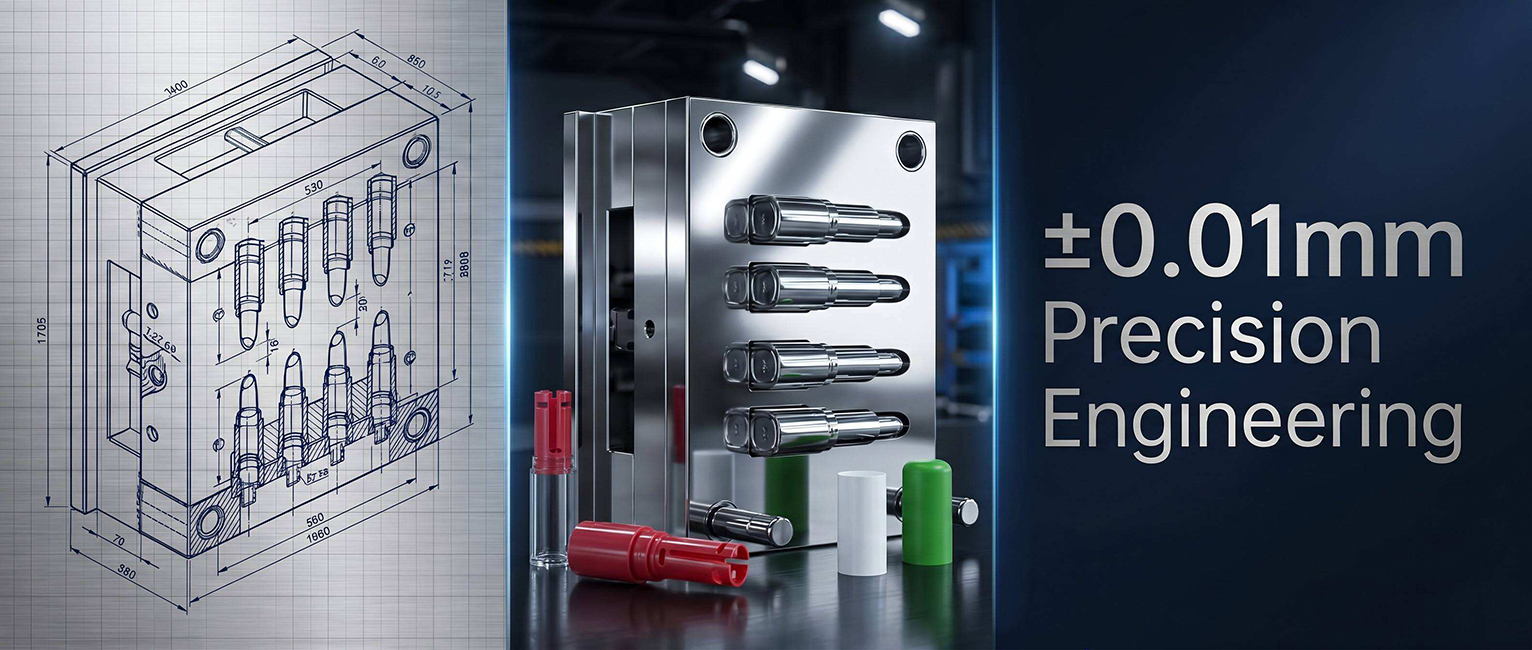
Part review, draft analysis, gate and runner layout, cooling circuit design, ejection and slider strategy, steel and hardness selection — delivered as a mould drawing you approve before we cut anything.
A complete custom injection mould service: mould design, CNC machining, EDM and slow-wire EDM, mould assembly, trial and then plastic injection moulding of production parts with assembly on top. Nothing leaves the building.
Our one-stop service covers moulds from the mould drawing and mould design, through CNC machining, EDM and WEDM processing, to a high-precision export mould — and the parts that come out of it.
Part review, draft analysis, gate and runner layout, cooling circuit design, ejection and slider strategy, steel and hardness selection — delivered as a mould drawing you approve before we cut anything.
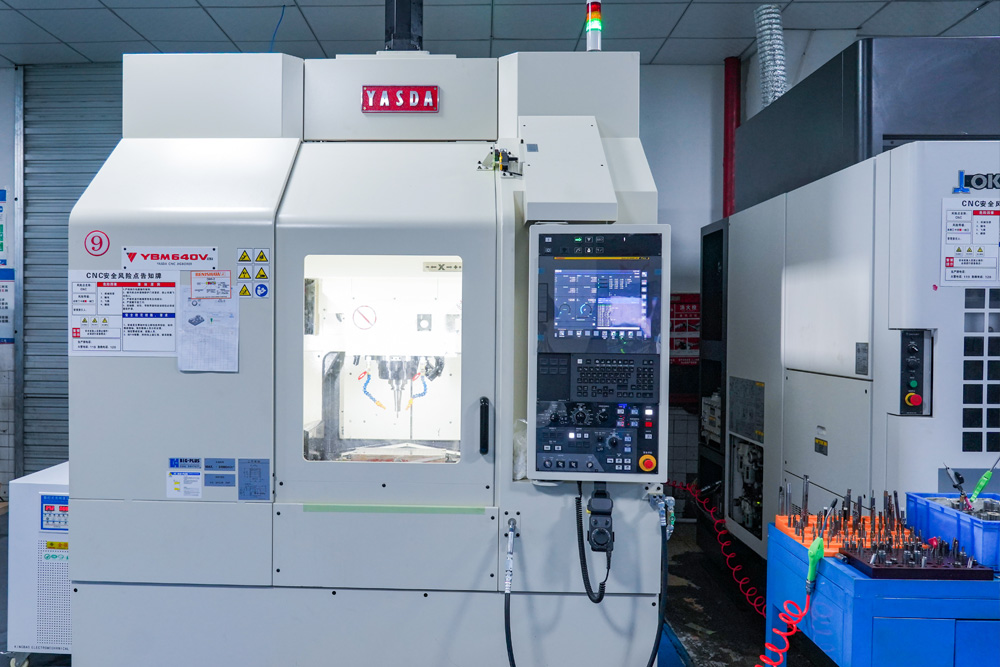
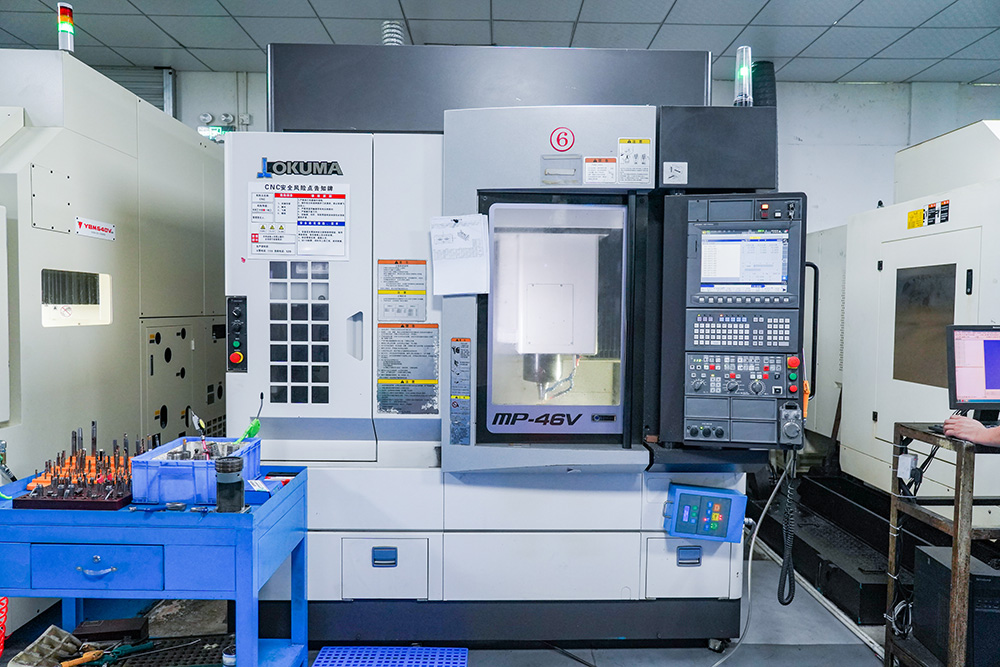
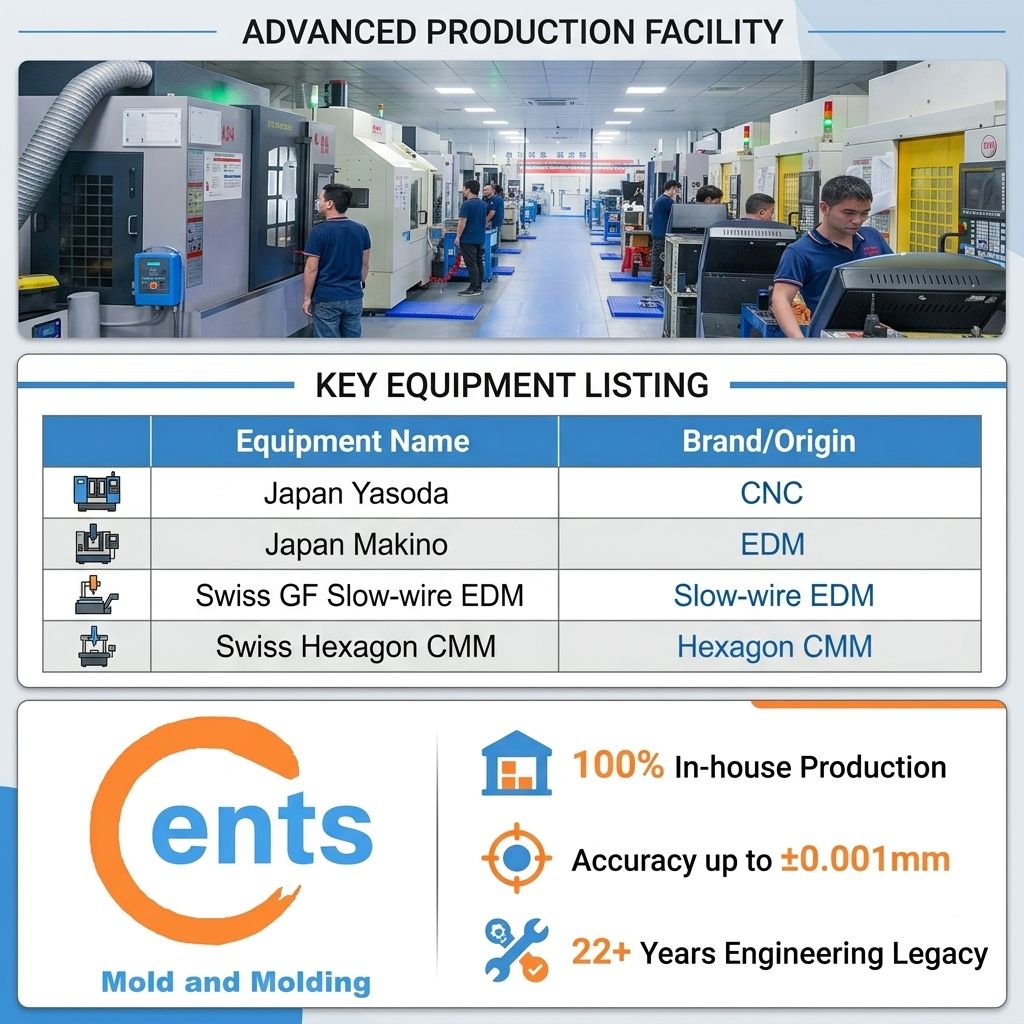
Mould bases, cavities, cores and inserts machined on imported CNC centres to ±0.01 mm, with accuracy capability down to 0.001 mm on the Yasoda and OKUMA machines.
Makino spark erosion and Swiss GF slow-wire EDM to 0.001 mm for sharp internal corners, deep ribs, narrow slots and hardened inserts that milling cannot reach.
Critical dimensions verified on Zeiss Contura and Hexagon CMM at ±0.002–0.005 mm, then a T1 trial on our own presses with samples and a trial report sent to you for approval.
30+ injection machines from 20 to 300 tons, plus a dedicated anti-dust moulding workshop for appearance-critical parts. Run your mould with us or ours.
Assembly workshops for sub-assembly and finished goods, so you can receive a completed product instead of loose mouldings that still need a supplier to put together.
Tooling problems are almost never caused by a machinist. They are caused by a decision made during design — a gate in the wrong place, cooling that cannot reach a hot core, ejection that marks a visible surface. That is why our founder's background is mould design.
Send a 3D file, a 2D drawing or a physical sample. Our engineers — 10 of them — review the part for manufacturability and return a design intent with the mould structure, cavity layout, gating, cooling, ejection and the steel specification. You approve the mould drawing, then steel is ordered.
Two families of complex tooling come up again and again with our customers — and they are where our engineering earns its keep.
 Overmoulding · multi-material moulds
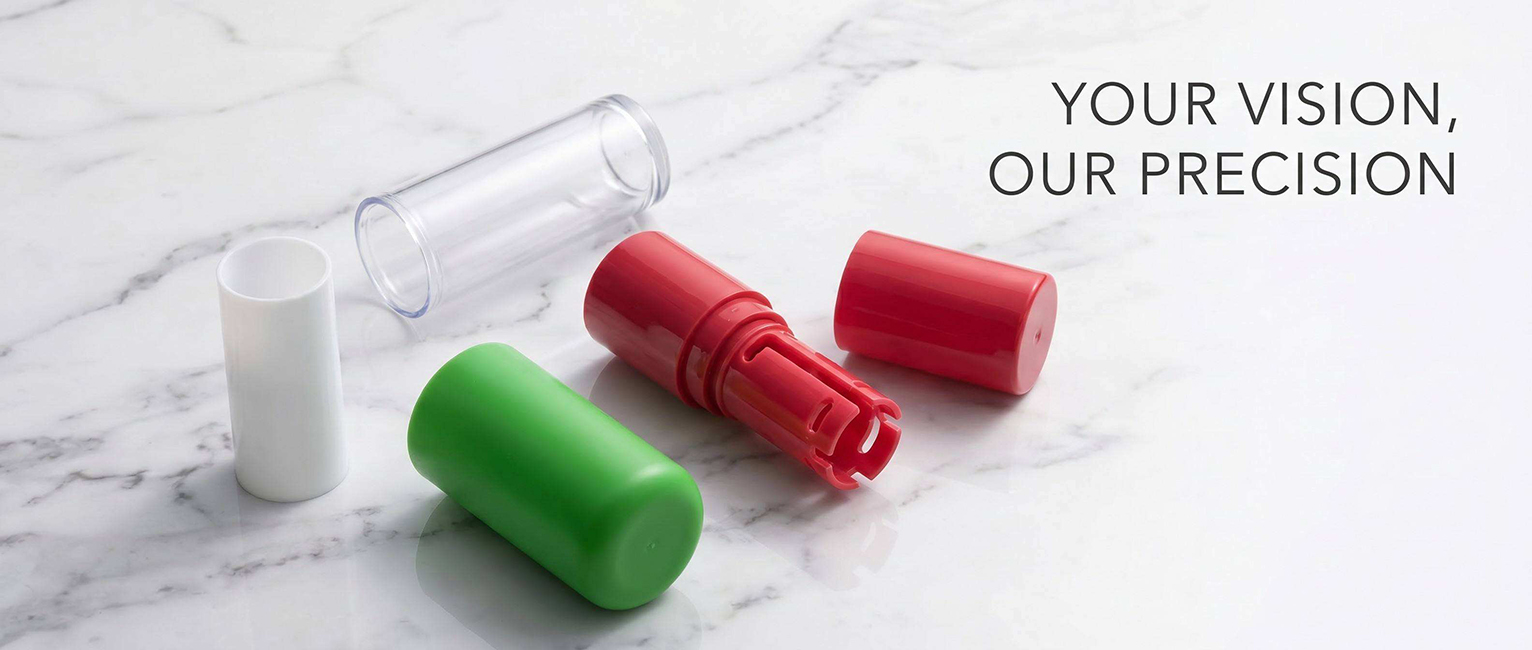
Some products need several different plastics bonded into one part — a soft grip over a rigid body, a clear window in an opaque housing, two colours that must not bleed into each other. In the trade these are overmoulded or "multi-shot" tools, and they are unforgiving: the second material has to bond chemically or mechanically, the shut-off has to seal against enormous injection pressure, and the part must still release cleanly.
We build these moulds in-house, which means the shut-off geometry can be adjusted on our own machines during trial rather than negotiated with a third party. If your part is a multi-material design, describe it in your enquiry — it is exactly the kind of work we want.
 Unscrewing moulds · rotating threads
When a moulded part carries an internal or external thread that cannot be stripped straight off the core, the mould has to rotate the core or the cavity and unscrew itself during ejection. That means a gear train, a reliable drive, correctly phased movement and a control sequence that cannot damage the thread if a cycle is interrupted.
We have been building these tools for closures, caps, tubes and technical threaded components. The thread form, pitch and start count on your drawing are translated into a working unscrewing action — and function-tested before the mould ships.
Not every customer wants to run tooling themselves. We have 30+ injection machines from 20 to 300 tons specifically to produce moulded parts for customers who need our factory to make the components, not only the mould.
Small precision parts run on the low-tonnage presses; larger housings and packaging components run on the bigger machines. For parts where a dust mark, a flow line or a weld-line bloom would fail your inspection, we move production into our anti-dust moulding workshop, which is separated from the general moulding floor.
A mould project is a paper trail as much as a steel block. This is what you get at each stage.
Mould price, part price at your annual volume, and a realistic lead time — prepared from your file, not from a price list.
Mould drawing for approval plus written manufacturability feedback on your part design.
Machining, EDM and assembly stages photographed so you can follow the tool without asking.
Sample parts for approval, a trial report, and CMM dimensional data for the critical features.
Material, annual volume, tolerance and the surface that has to look perfect — that is enough for us to tell you whether the tool is straightforward or needs real engineering.